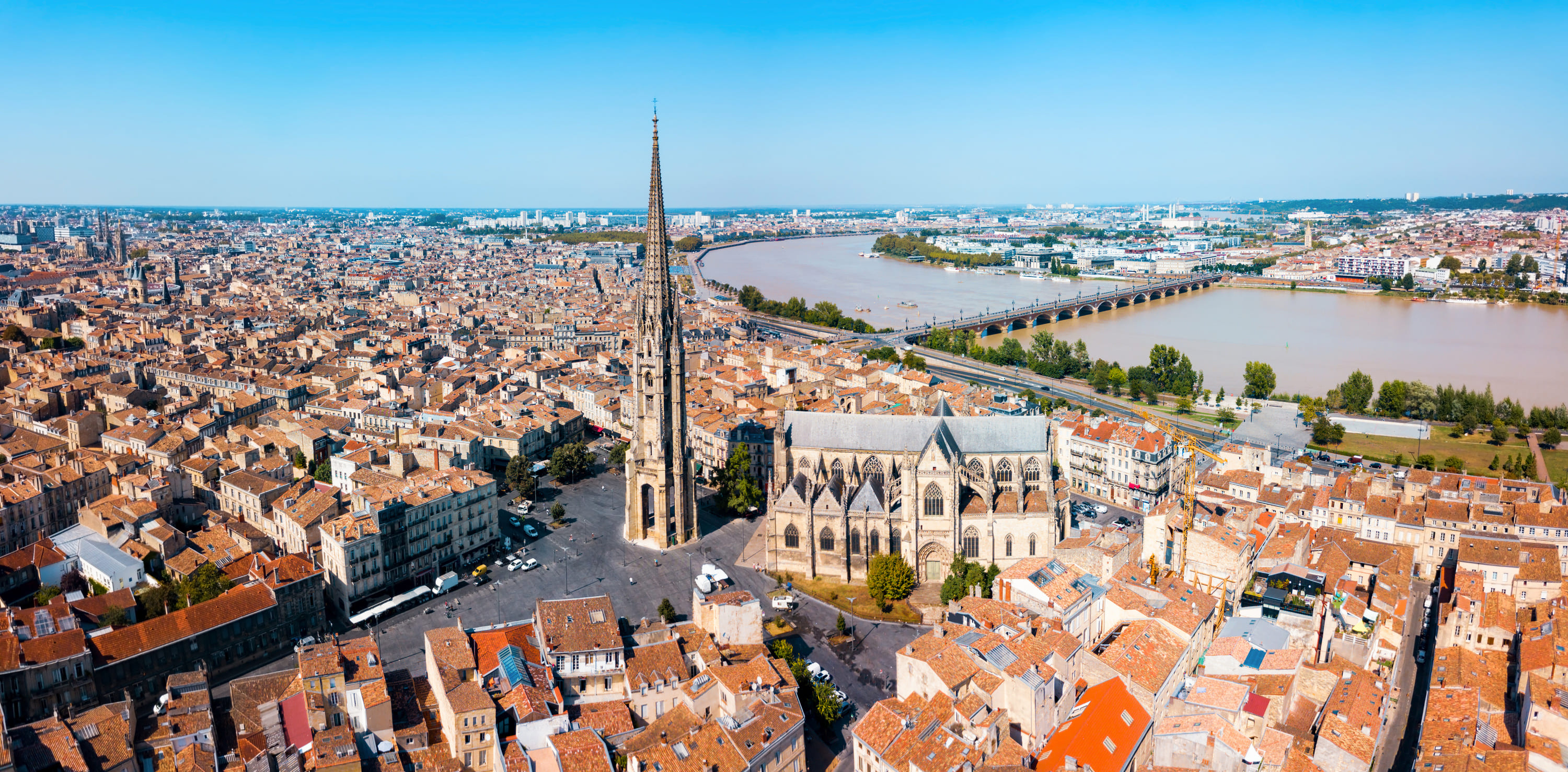
Seville
Orange trees in bloom, sparkling azulejos, and flamenco in the narrow streets: Seville is Spain's most passionate city, just a two-hour flight from Montpellier.

What you need to know about Seville
-
Flight time2h05
-
Dialing code+34
-
Spoken LanguageSpanish
-
CurrencyEuro
-
Time difference0h
-
Travel FormalitiesID or passport


Why visit Seville?
Seville, in Andalusia (southern Spain), is a destination easily reached from Montpellier that pulses with the energy of the *movida*. Beneath a starry sky, it evokes classic, picture-postcard images: the barber immortalized by Beaumarchais, and Carmen the Gypsy rolling cigars while singing "Love is a rebellious bird" (*L’amour est enfant de bohème*). Yet Seville is far more than just clichés. Its magnificent monuments blend Christian culture and Muslim heritage on either side of the Guadalquivir River.
The Gothic cathedral—one of the largest in the world—houses the tomb of Christopher Columbus and a colossal altarpiece adorned with 1,500 sculptures. The Giralda tower, a former minaret converted into a bell tower, bears witness to the site's past as a mosque. From the top, the panoramic view over the city rooftops is breathtaking.
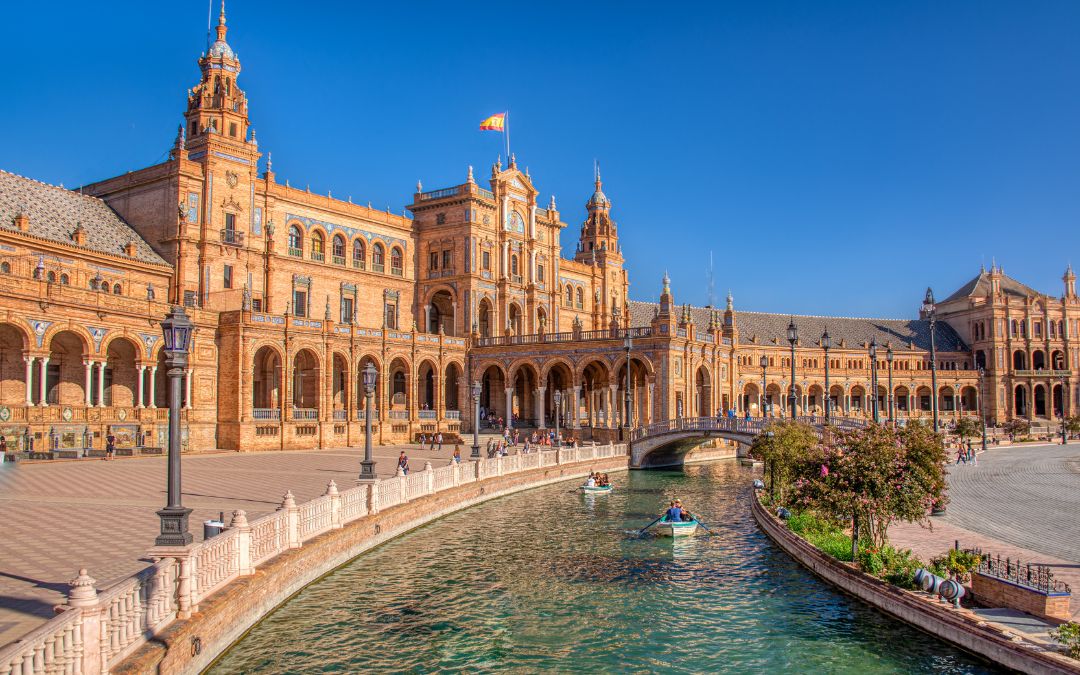
The Alcázar Palace, a masterpiece of Mudéjar architecture, boasts richly decorated halls and fragrant gardens. The Plaza de España—immortalized by George Lucas in *Star Wars*—shines at sunset with its brick and ceramic pavilions. To get there, why not choose a horse-drawn carriage for a truly romantic experience?
Destination Seville
But Seville is also experienced in the Santa Cruz neighborhood, a labyrinth of whitewashed, cobblestone alleys. By day, you can wander there feeling almost alone in the world, amidst patios brightened by orange trees and white houses with shuttered windows. At night, tapas bars spill out onto the streets, offering a delicious experience accompanied by wine, fritters, and ham.
Seville also looks to the future. The 1992 World’s Fair marked a major leap forward. More recently, the Metropol Parasol—a colossal wooden structure crowning the Plaza de la Encarnación—has provided a unique vantage point. Across the Guadalquivir River, Triana—the historic home of bullfighters and flamenco schools—retains its charm with colorful facades and music bars.
Seville’s hot nights are no mere legend: they are lived to the fullest!
What to see and do in Seville?
-
Plaza de España
With its brick and ceramic pavilions—a legacy of the 1929 Ibero-American Exposition—it dazzles at sunset and has served as a backdrop for numerous films.

-
The Alcazar Gardens
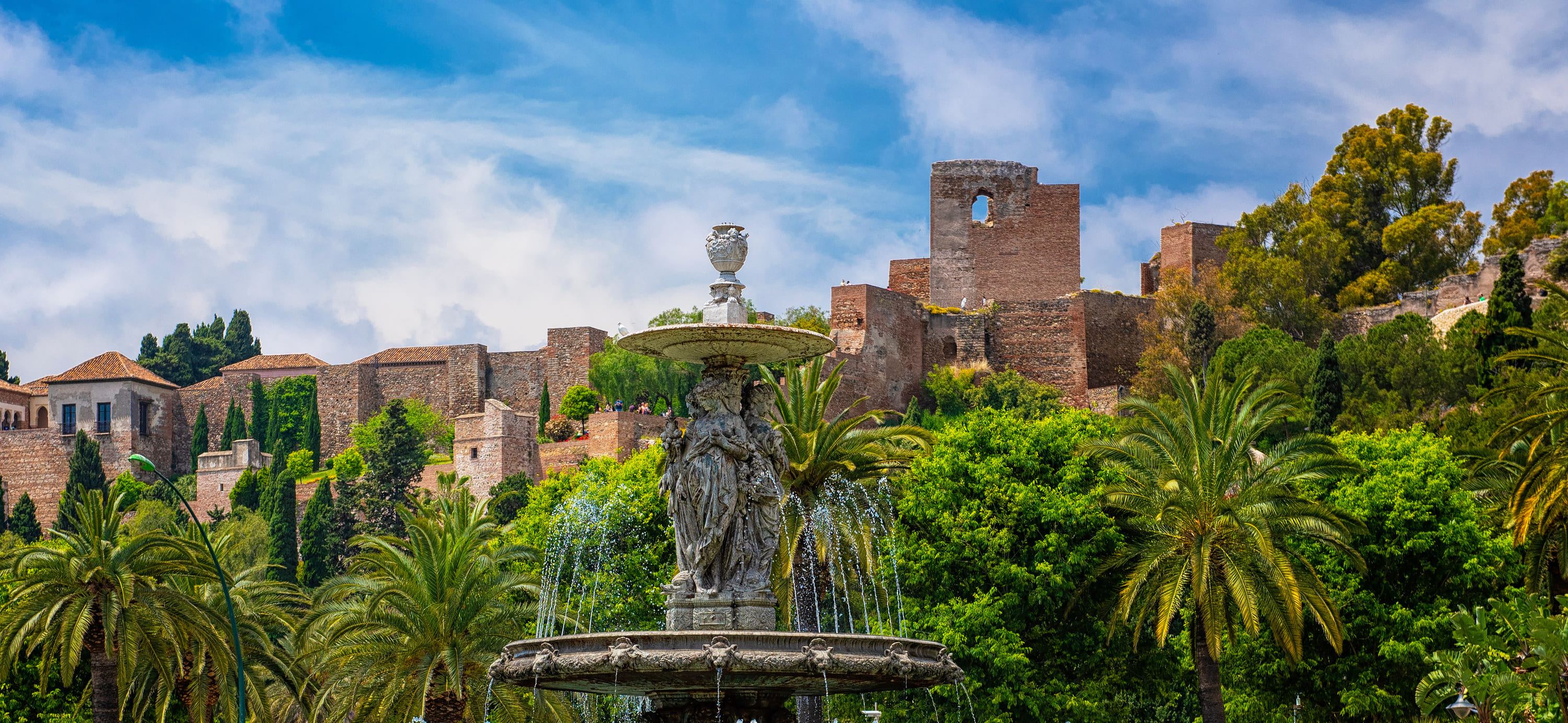
Romantic, with their fountains rising amidst the palm trees, they can also be viewed from the arcaded gallery overlooking them.

-
La Casa de Pilatos
An elegant palace showcasing Mudéjar art—a subtle blend of Gothic and Muslim styles—featuring patios adorned with glazed tiles and interior gardens.

Must-see places in Seville
- The Gothic Cathedral: 130 meters long and topped by the Giralda—a former minaret adorned with arabesques that was converted into a bell tower—it houses the tomb of Christopher Columbus.
- Plaza de España: featuring brick and ceramic pavilions from the 1929 Ibero-American Exposition, and immortalized by George Lucas in *Star Wars*.
- Metropol Parasol: a 28-meter-high wooden structure covering the Plaza de la Encarnación, offering a unique panoramic viewpoint over Seville's rooftops.
- The Bullring (Plaza de Toros de la Maestranza): one of Spain's finest bullrings, featuring whitewashed walls and ochre trim, and housing a bullfighting museum.
- Hotel Alfonso XIII: a Neo-Mudéjar palace opened for the 1929 Exposition; considered one of Spain's most beautiful hotels, its architecture alone makes it worth a visit.
- Church of El Salvador (Iglesia del Divino Salvador): a national monument housing around fifteen Baroque altarpieces with exceptional ornamentation.
- Flamenco Museum: the place to learn all about this art form—recognized as UNESCO Intangible Cultural Heritage—featuring demonstrations and historical archives.
- Andalusian Centre for Contemporary Art: showcasing modern works within a beautifully restored former monastery on the banks of the Guadalquivir River.
- Triana District: a historic stronghold for bullfighters and flamenco schools, retaining its colorful facades, music bars, and artisanal ceramic workshops.
Unique experiences to enjoy in Seville?
- To immerse yourself in the rhythm of flamenco, visit the workshops at the celebrity-frequented boutique Lina before heading to the Flamenco Museum, where you can learn a few steps. Cap off the experience with an authentic performance—at La Carbonería, for instance.
- Located 100 kilometers from Seville, Ronda is one of Spain’s oldest cities. Surrounded by the mountains of the Serranía de Ronda, it stands like a sentinel atop a cliff that drops sheer down to the Guadalevín River. As the birthplace of bullfighting, the city is home to a famous bullring that is well worth a visit.
Seville’s Gastronomy: What to Eat and Drink?
- Tapas: Small bites invented in Andalusia (ham, meat, anchovies, cheese, etc.) meant to be shared with friends.
- Ham: Serrano (from white pigs) and Ibérico (made from acorn-fed black pigs).
- Migas: A popular dish combining breadcrumbs and garlic.
- Berenjenas fritas: Fried eggplant drizzled with honey.
- Paella: The quintessential Spanish dish, combining saffron-colored rice, chicken, pork, crayfish, etc.
- Tortilla: A type of omelet made with eggs and potatoes, sometimes with onions.
- Kidneys in Sherry: Grilled kidneys with flavors mellowed by the wine.
- Bull’s tail (rabo de toro): Served in a sauce, as a stew.
- Tocino del cielo: A caramel custard originating from Jerez, another Andalusian city.
- Turrón: A confection similar to nougat, made from egg whites, honey, sugar, and almonds.
- Beer (cerveza): Enjoyed ice-cold or as a *panaché* (mixed with lemonade).
- Sherry (Xérès): White wine from the Jerez region (100 km from Seville)—"finos" are dry and light, while "olorosos" are full-bodied and pair well with meat. Alcohol content ranges from 15% to as high as 22%! Manzanilla*: a dry white wine served as an aperitif or with tapas.
- Horchata: a milky-looking non-alcoholic drink made from yellow nutsedge, a type of local papyrus.
* Alcohol abuse is dangerous to health; consume in moderation.
The refreshing experience
When the sun beats down, head to Isla Magica amusement park, on part of the former site of the 1992 Universal Exhibition. Splashes guaranteed on the slides and wave pools of Agua Magica, its aquatic annex.
Unmissable events in Seville
- Febuary28 February - Andalusia Day, to commemorate the celebration of the referendum on the initiative of the autonomy process in 1980.
- JuneJune - music festival in the Alcázar gardens
- JulyJuly - Vigil of Santa Ana (La Vela) to celebrate the patron saint of the Triana district, with shows and concerts along the Guadalquivir River.
- October12 October - National Day of Spain, commemorating the discovery of America
- December13 December - Santa Lucia parade, with street processions
Les questions fréquentes sur Séville
-
What is the best time to visit Seville?
Spring (March–May) is the ideal time to visit Seville: temperatures are mild, the orange trees are in bloom, and the city is in the midst of its festive season. Autumn (September–October) also offers excellent conditions, with heat that is more bearable than in summer. Seville’s summer is among the hottest in Europe, with temperatures regularly exceeding 40°C in July and August. Winter is mild and sunny—perfect for a short cultural getaway away from the crowds.
-
How many days does it take to visit Seville?
Three to four days allow you to discover the highlights: the Cathedral and the Giralda, the Alcázar, the Santa Cruz district, the Plaza de España, and Triana. A week is ideal if you also want to explore the museums, markets, flamenco shows, and the surrounding areas—such as Córdoba, Ronda, or Jerez, all accessible in under two hours. Seville also serves as an excellent base for exploring the rest of Andalusia.
-
Is Seville a suitable destination for families with children?
Seville is an excellent destination for families. The Isla Mágica theme park, the horse-drawn carriages in the Santa Cruz district, the Alcázar gardens, and the large, lively squares offer plenty of child-friendly activities. Andalusian culture—notably warm and open—combined with the unique rhythm of Spanish life, such as late dinners and lively evenings, makes Seville a memorable and refreshingly different experience for the whole family.
-
Is it easy to get around Seville as a tourist?
Seville’s historic center is compact and very pleasant to explore on foot—most major sights are within a twenty-minute walk of the cathedral. Trams and the metro provide connections to more distant neighborhoods. Self-service bicycles and scooters are available throughout the city. For excursions to Córdoba or Ronda, direct trains and buses depart regularly from Santa Justa station.
-
Do you need a visa to travel to Seville from France?
No. Seville is a Spanish city, and Spain is a member of the European Union and the Schengen Area. French nationals can travel there freely using a valid national identity card or passport, without a visa or any special formalities. No prior travel authorization is required.
Useful links for your trip to Seville
To go further
-
Travel formalities and documents
Everything you need to know and do before taking your flight.
-
Travel assistance
All the information you need to travel: rights, advice, information on underage travellers and pet travel
-
Luggage
Preparing your hand luggage or hold luggage in important step before your trip. That's why it's essential to know how to prepare your luggage properly.